
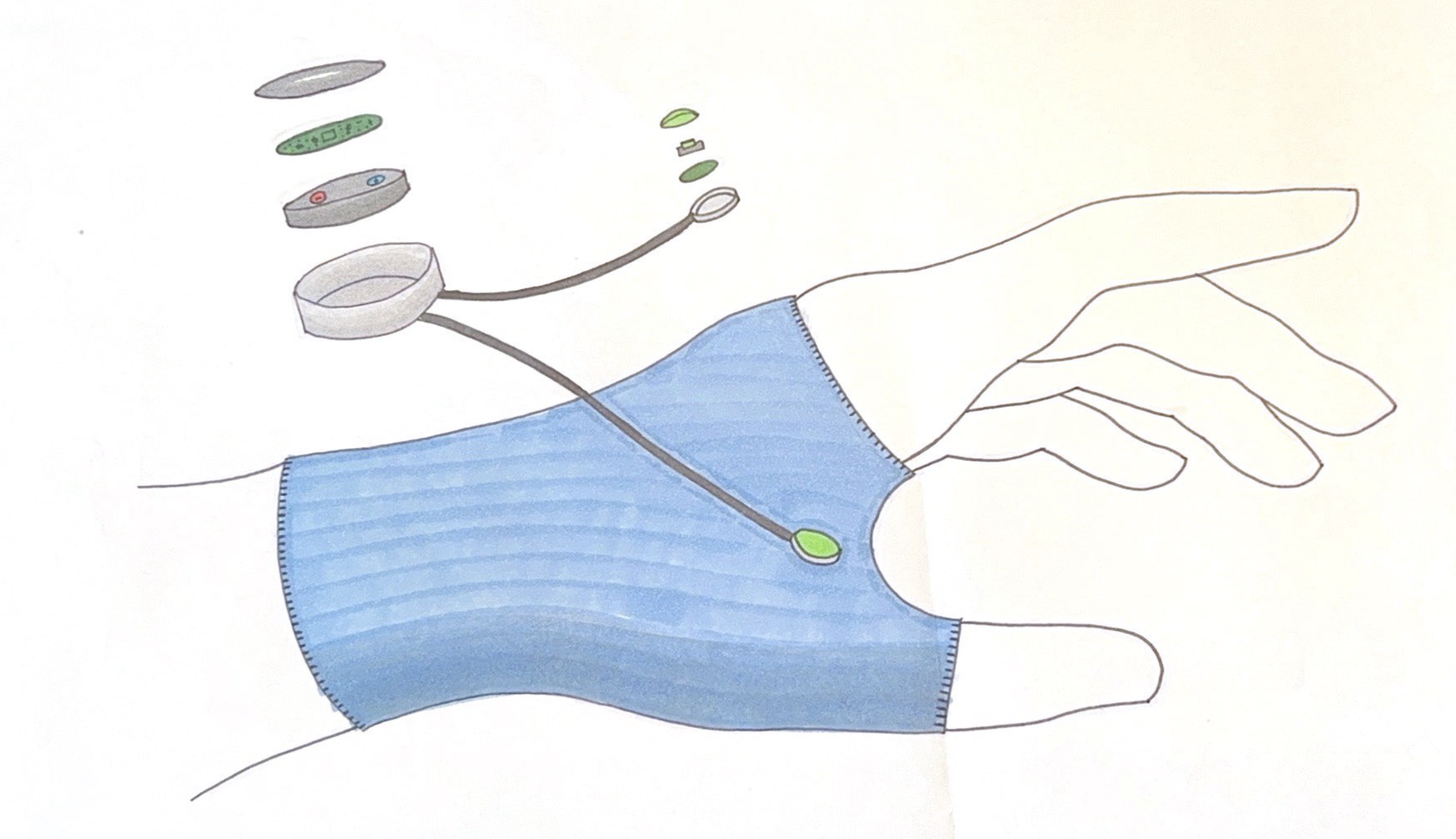
a smart glove that guides cleaners towards better wrist posture in real time.
My Role
Technical Designer
Feasibility & Business Model design
Stakeholder Engagement
Value Proposition Developer
Time
6 Months
Overview:
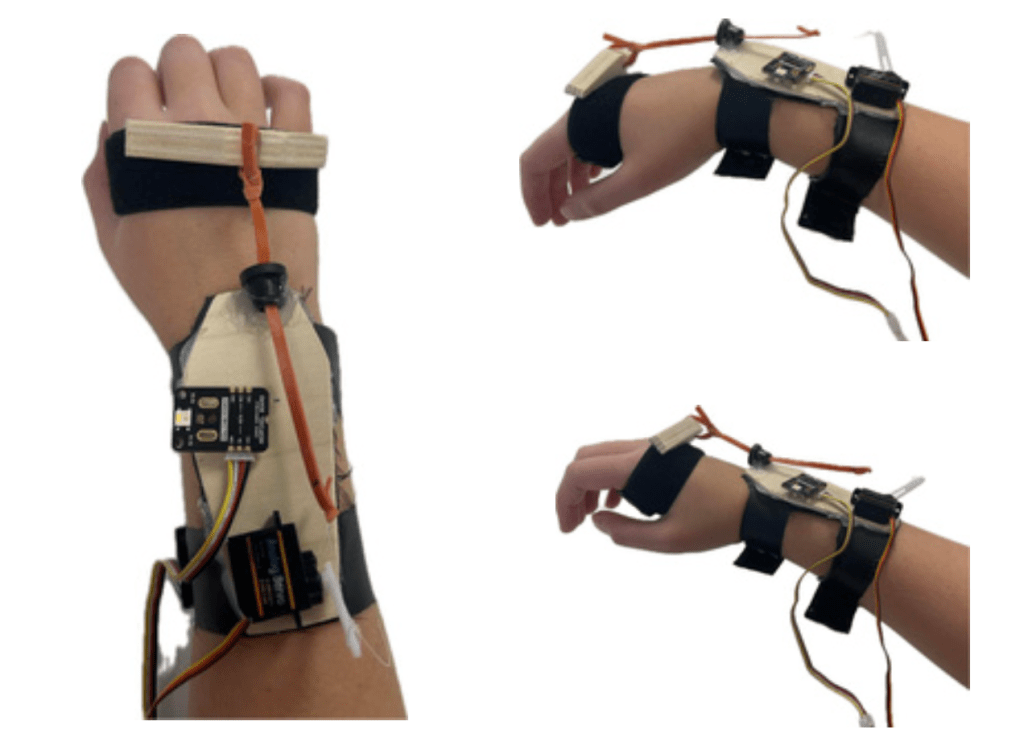
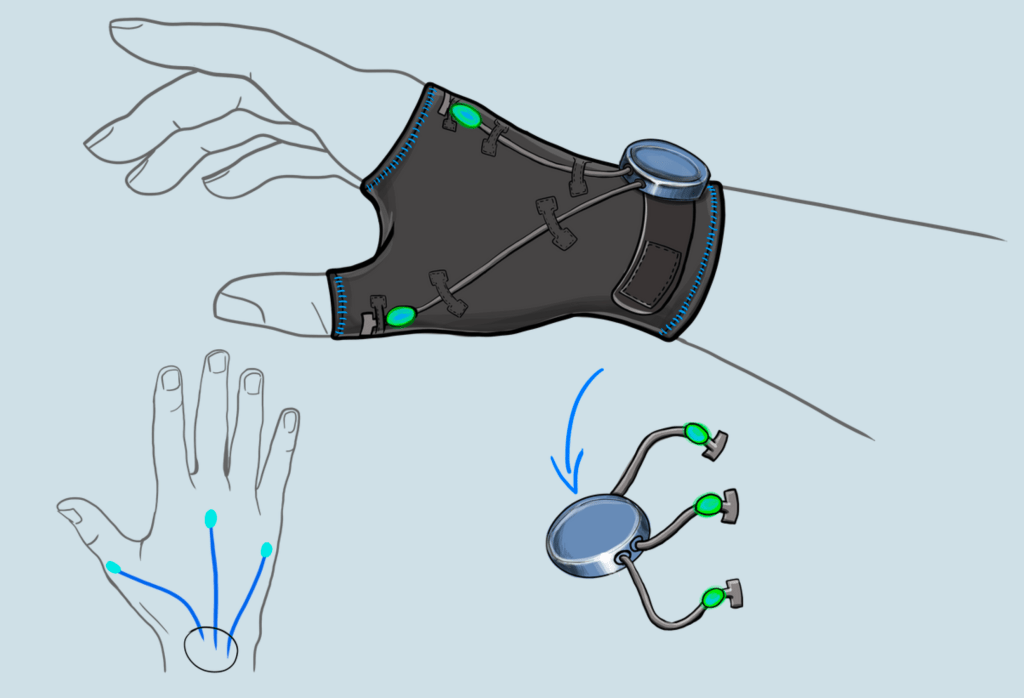
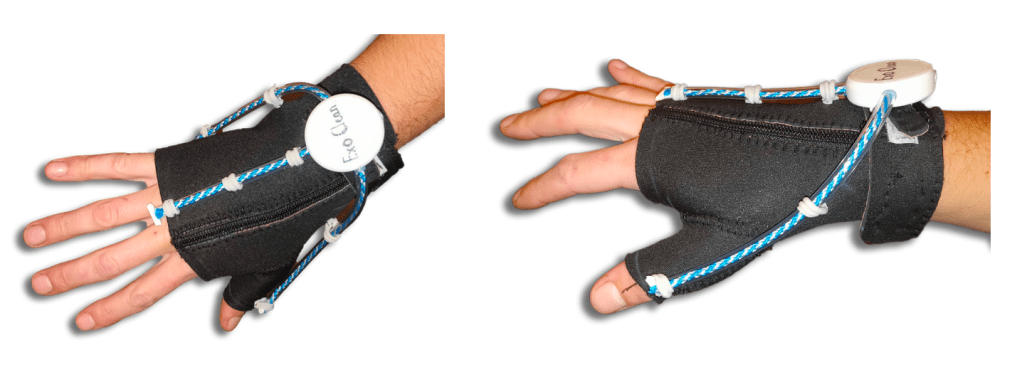
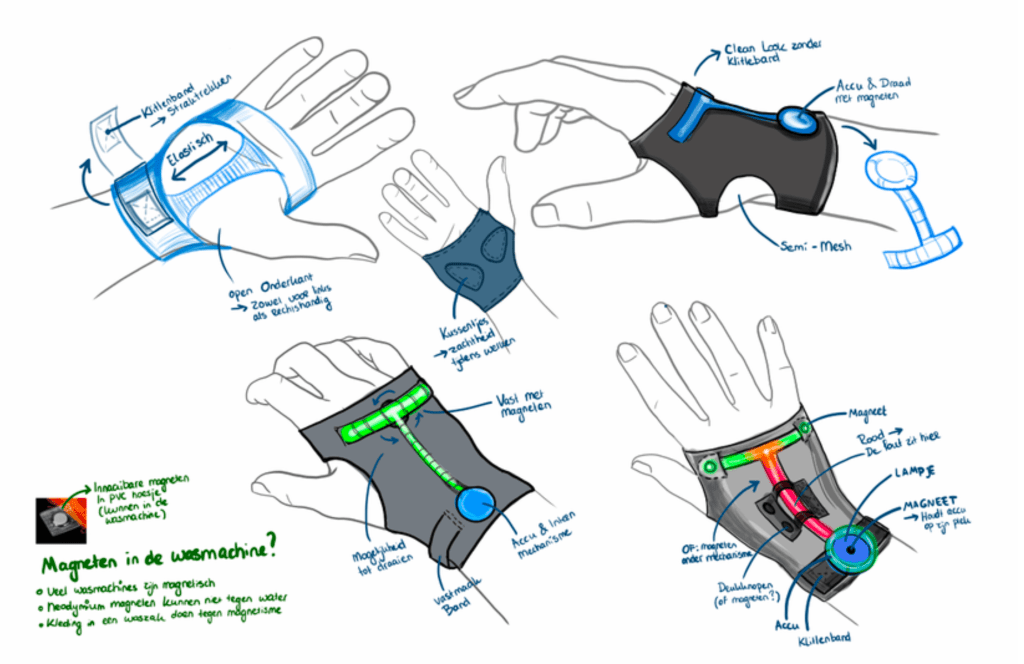
This project aimed to support the under-appreciated cleaners at TU Delft by addressing the physical strain caused by repetitive cleaning tasks. We designed ExoClean — a wearable glove that gives real-time feedback to help users improve their wrist posture and prevent long-term injuries. Instead of replacing cleaners with robots, we chose to empower them through smart, ergonomic technology. ExoClean is meant to be worn by cleaners until they develop an ergonomically correct way of cleaning.
3 Primary Problems
1. Repetition
The repetitive nature of the cleaning tasks introduces risks of injuries over time
2. Overlooked
Despite their essential role, cleaners are rarely considered in workplace innovation or support systems, leaving them with outdated tools and little guidance.
3. Longevity
The physical demands of cleaning, when done incorrectly, can shorten careers and reduce quality of life making long-term, healthy employment difficult to sustain.
Opportunity
At institutions like TU Delft, cleaners play a vital role in maintaining the spaces we work and learn in. Despite their importance, many of them face repetitive strain injuries due to high workloads caused by unknowingly cleaning in an ergonomically incorrect way. This revealed a clear opportunity: to design a solution that teaches them a healthier way to clean, minimizing the risk of physical injuries.
Iterations
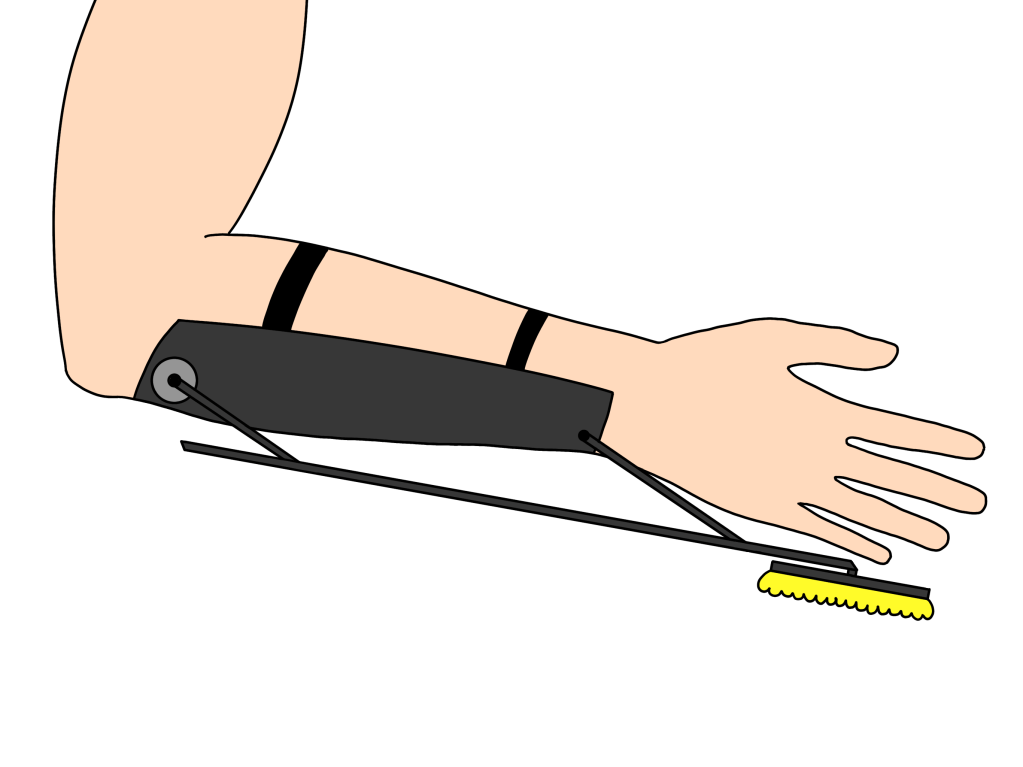
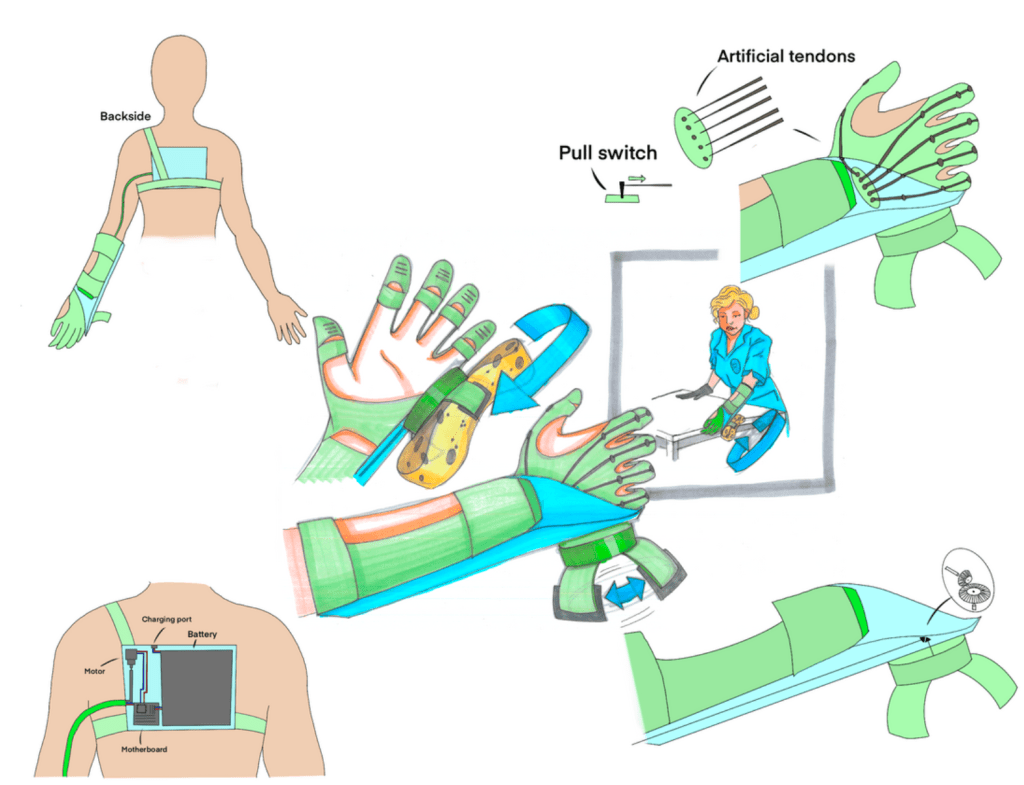
Concept Video
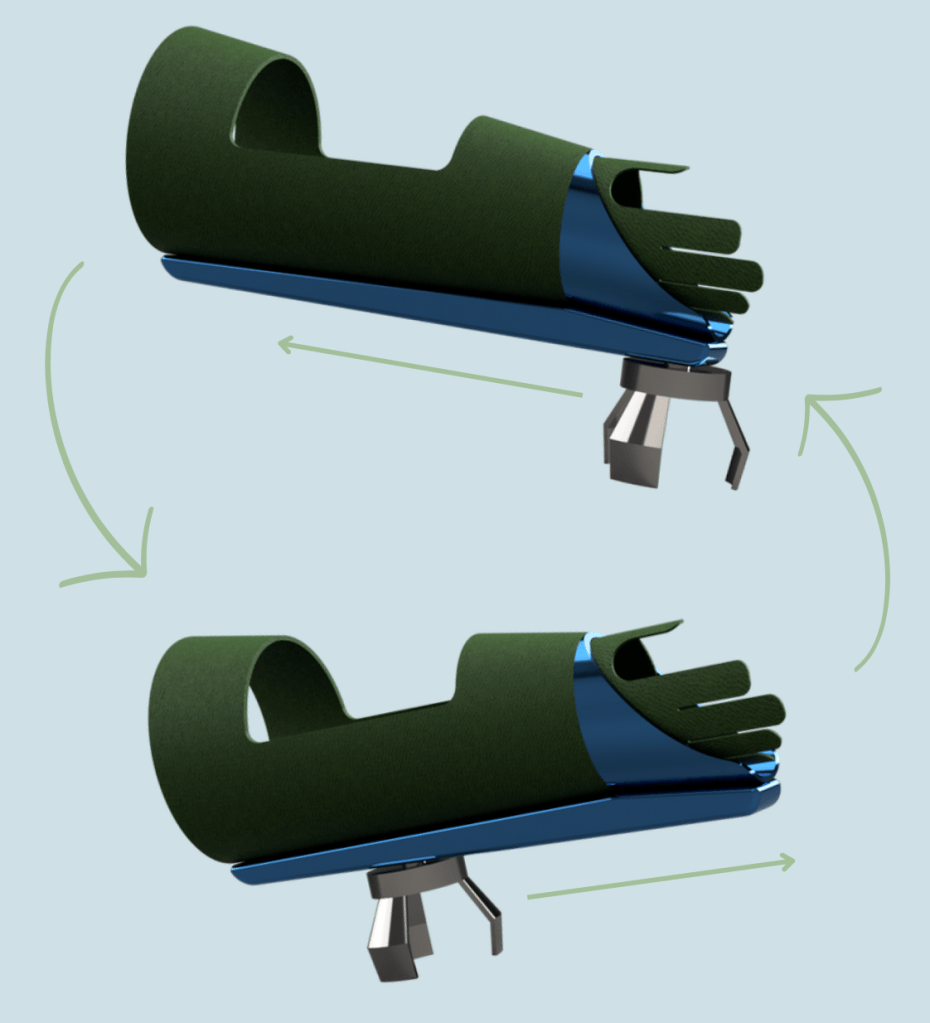
Final Concept
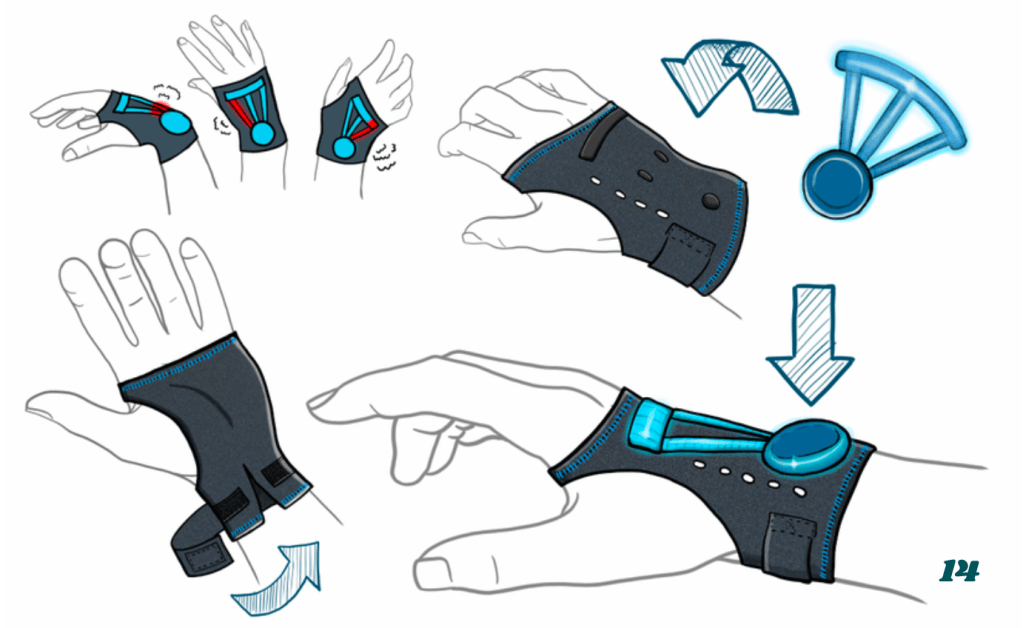
ExoClean is a glove designed for cleaners ment to be worn while working, providing real-time haptic feedback to improve wrist posture and encourage ergonomic movement—helping prevent repetitive strain injuries during daily tasks.
Reflection
This project deepened my understanding of user-centered design by focusing on a specific group: professional cleaners. Through user research focusing on their needs, we set out to address the most pressing issue we identified: wrist injuries caused by repetitive movements and poor posture.
Our goal was to solve this problem without decreasing their efficiency, which led to the development of our concept. This project taught me a lot about human-centered design, and team-based design process. Working through differing perspectives within the team strengthened my ability to navigate design discussions and come to a better end result.
 Portfolio by Thijmen Gast