
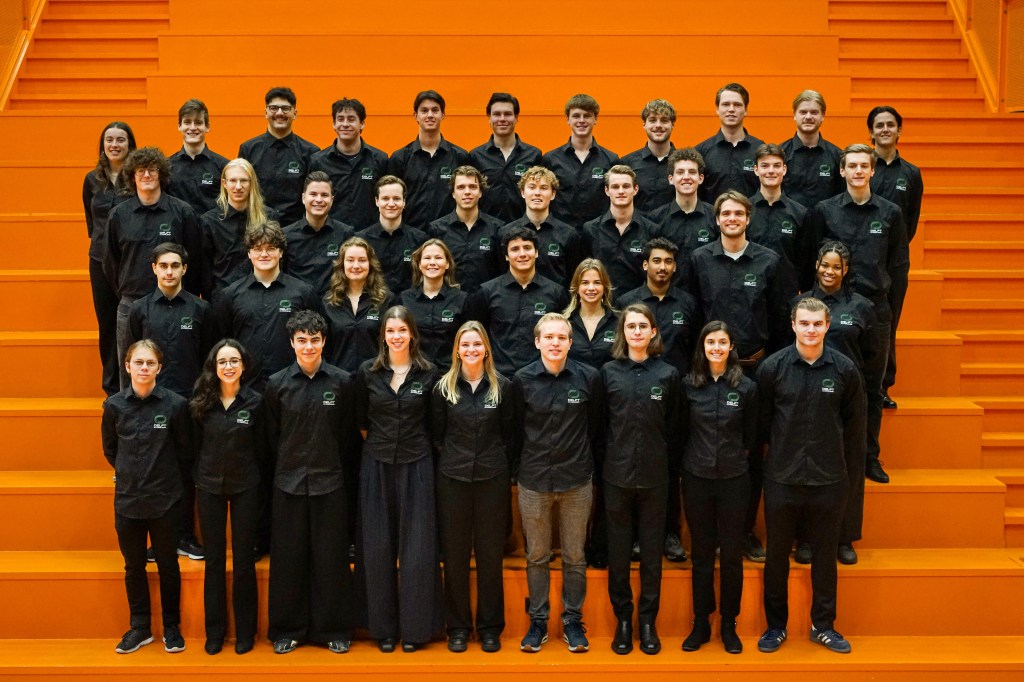
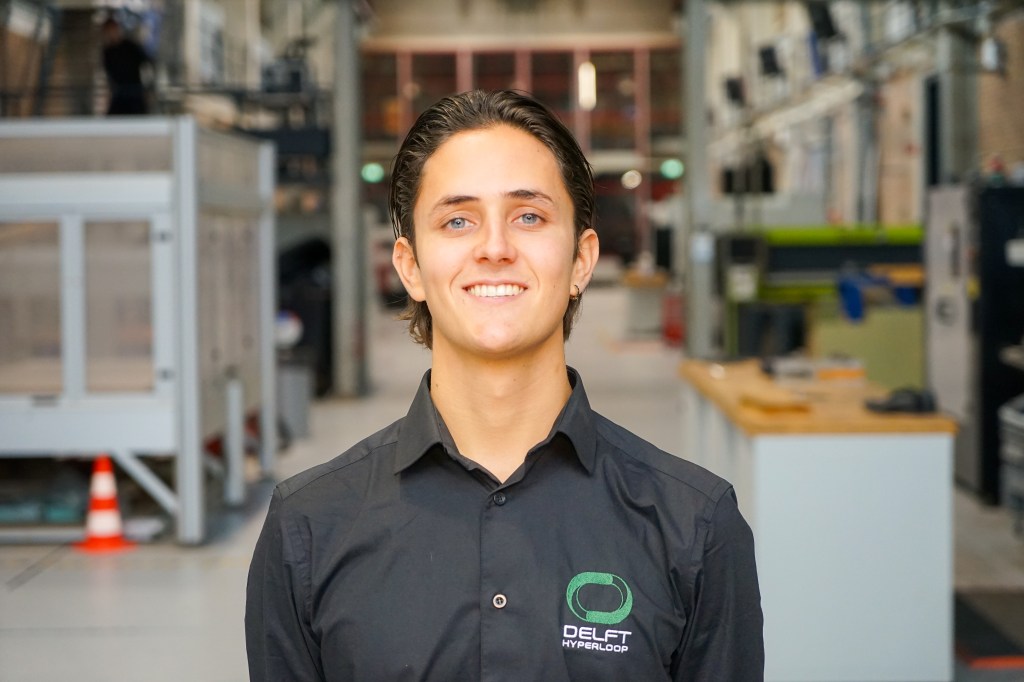
Public relations, event strategy, and partner engagement for a student-led hyperloop team competing on an international stage
My Role
Public relations strategy & external communication
Event concepting, planning, and execution
Partnership support & sponsor relationship management
Brand positioning and storytelling
Media coordination and public representation
Internal alignment between technical team and external stakeholders
Time
12 Months (current)
Overview:
Delft Hyperloop is a student-led team developing hyperloop technology to compete in international competitions and to contribute to the future of high-speed, sustainable transportation.
Beyond technical development, the success of the team depends on visibility, credibility, and strong external relationships. As PR & Event Manager, my responsibility was to ensure that the team’s work was clearly communicated to the public, partners, and stakeholders while creating moments where the technology could be experienced, and understood.
3 Primary Problems
1. Complexity
Hyperloop technology is highly technical and unfamiliar to most audiences, making clear communication essential to build interest and credibility.
2. Stakeholder
The team engages with sponsors, partners, universities, media, and the general public each with different expectations, motivations, and levels of technical knowledge.
3. Visibility
As one of many student teams working on emerging mobility concepts, Delft Hyperloop must continuously differentiate itself to attract partners, funding, and attention.
Opportunity
By positioning Delft Hyperloop as both a technically ambitious and professionally organized team, there was an opportunity to strengthen its public image, increase partner engagement, and create meaningful touchpoints between advanced mobility technology and society.
Iterations

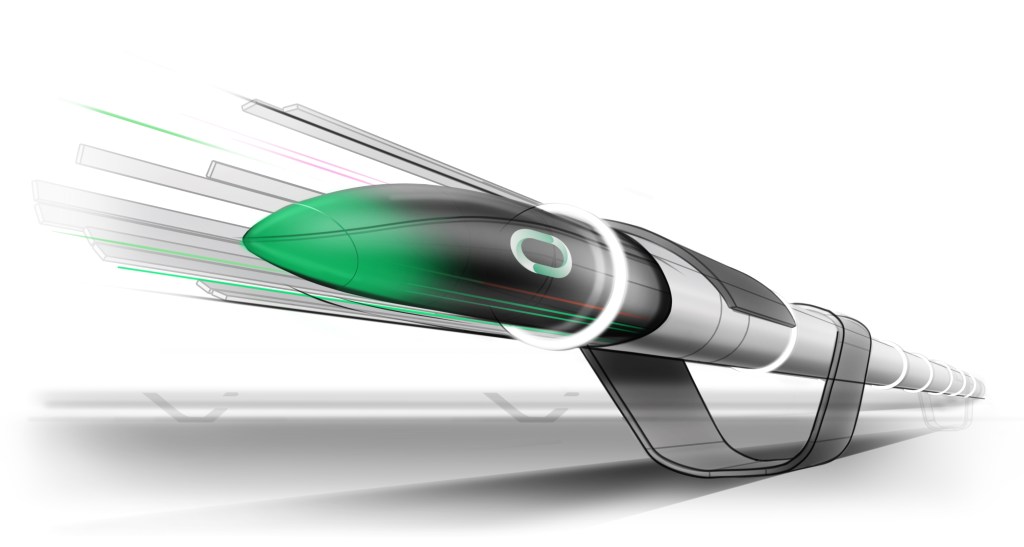


Concept Video
Final Concept
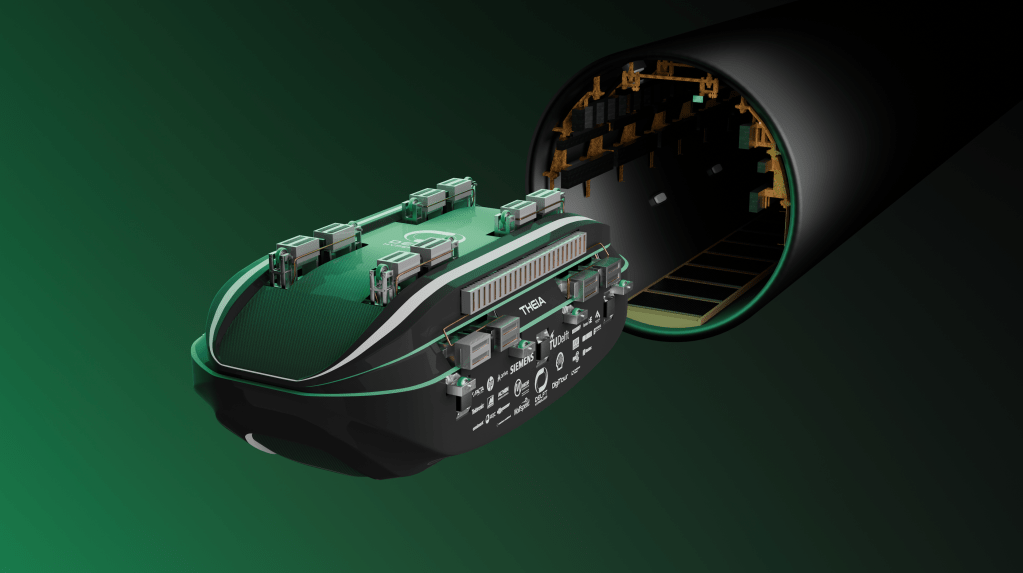
The approach focused on strategic storytelling combined with experiential events. Technical progress was translated into accessible narratives, while events and public appearances allowed stakeholders to interact directly with the team and its vision.
Partnership efforts supported this by aligning sponsor interests with clear value propositions, ensuring long-term collaboration rather than one-off visibility.
Reflection
This project shifted my perspective on design and engineering teams: technical excellence alone is not enough. Progress depends on how well a team communicates its purpose, earns trust, and maintains relationships over time.
Working in PR and event management strengthened my ability to operate at the intersection of technology, people, and strategy. I learned how to manage external expectations, represent complex work responsibly, and support partnerships that enable technical teams to focus on what they do best.
This experience complements my technical background by adding a strong external-facing and leadership dimension.
 Portfolio by Thijmen Gast