
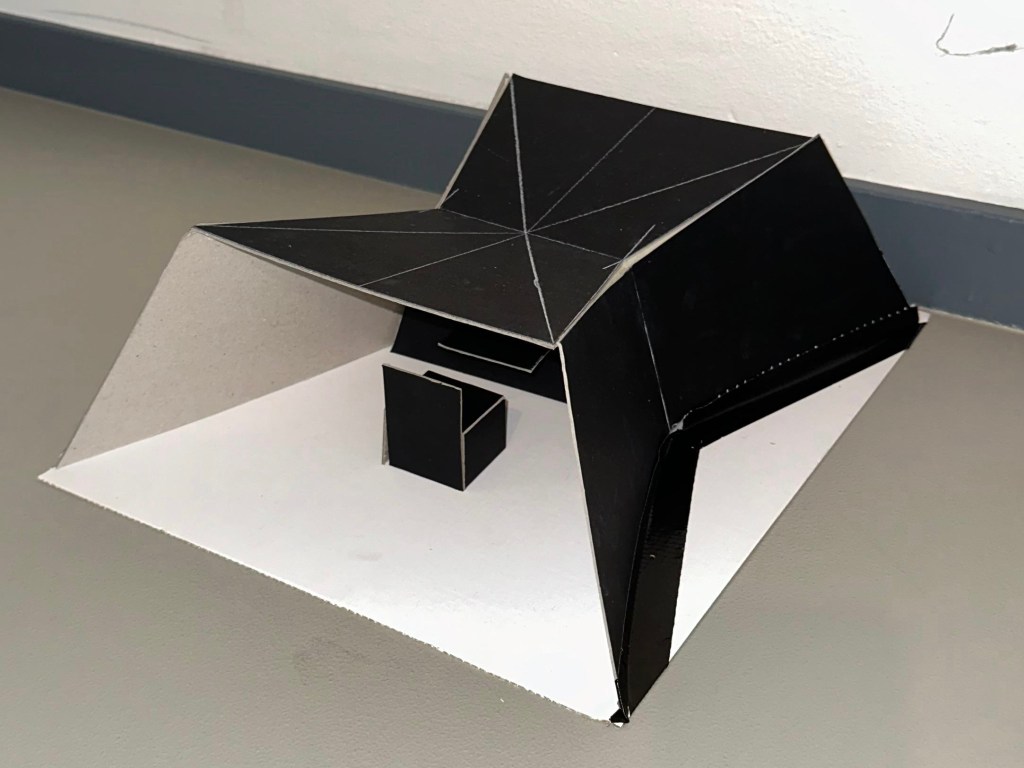
This project examines how face-less interaction on a shared bench can shape trust, comfort, and connection between strangers across generations.
My Role
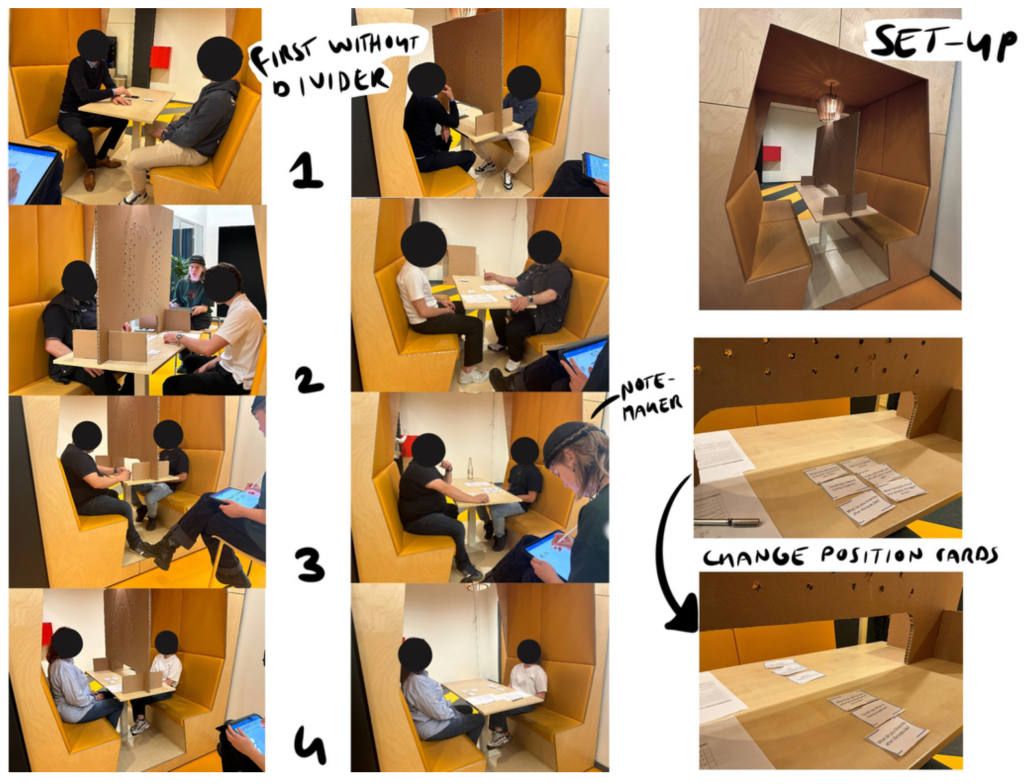
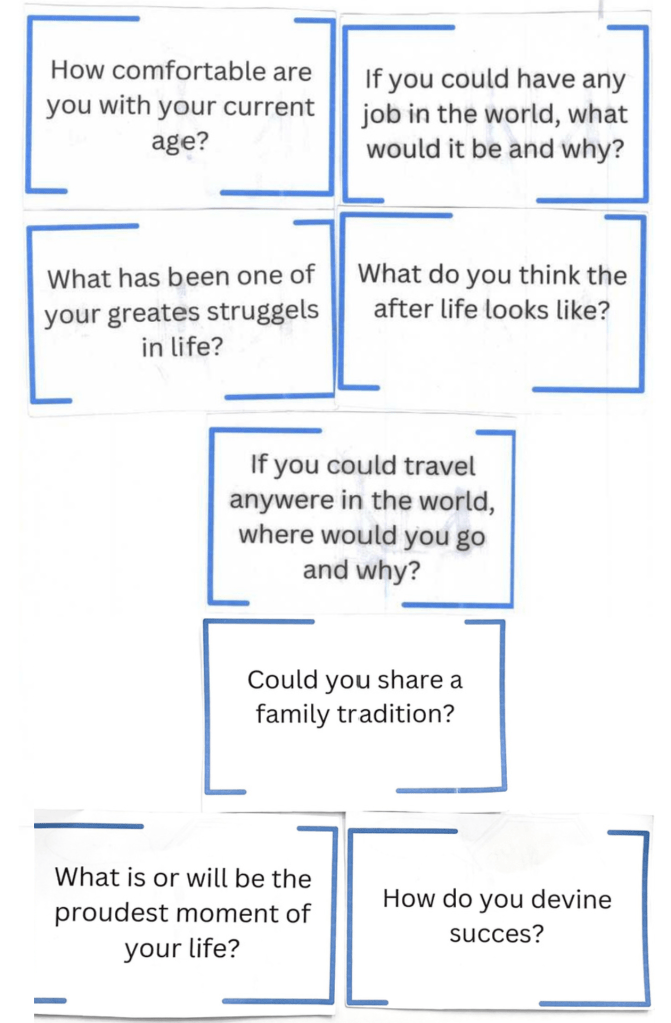
Experiment setup
User testing
Impact analysis
Time
6 Months
Overview
This project explores how a public bench with a movable divider affects trust, comfort, and interaction between strangers from different generations. Through prototyping and real-world testing, we examined how the option to remain unseen shifts social dynamics. The results revealed that while the divider introduced moments of tension and introspection, it also lowered the threshold for sharing personal stories.
3 Primary Problems
1. Distance
The gap between the younger and older generation causing lack of social and emotional connection between them.
2. Discomfort
The awkwardness or lack of ease in starting conversations with strangers especially those of a different generation.
3. Distrust
The lack of safety and openess in public interaction between strangers.
Opportunity
Public spaces are often designed for movement, not for meaningful interaction — between strangers especially different generations. In cities like Rotterdam, the fast pace of life and social boundaries can create distance between people who share the same space but rarely connect. This project revealed an opportunity to challenge that norm by designing a bench that intentionally plays with anonymity and visibility.
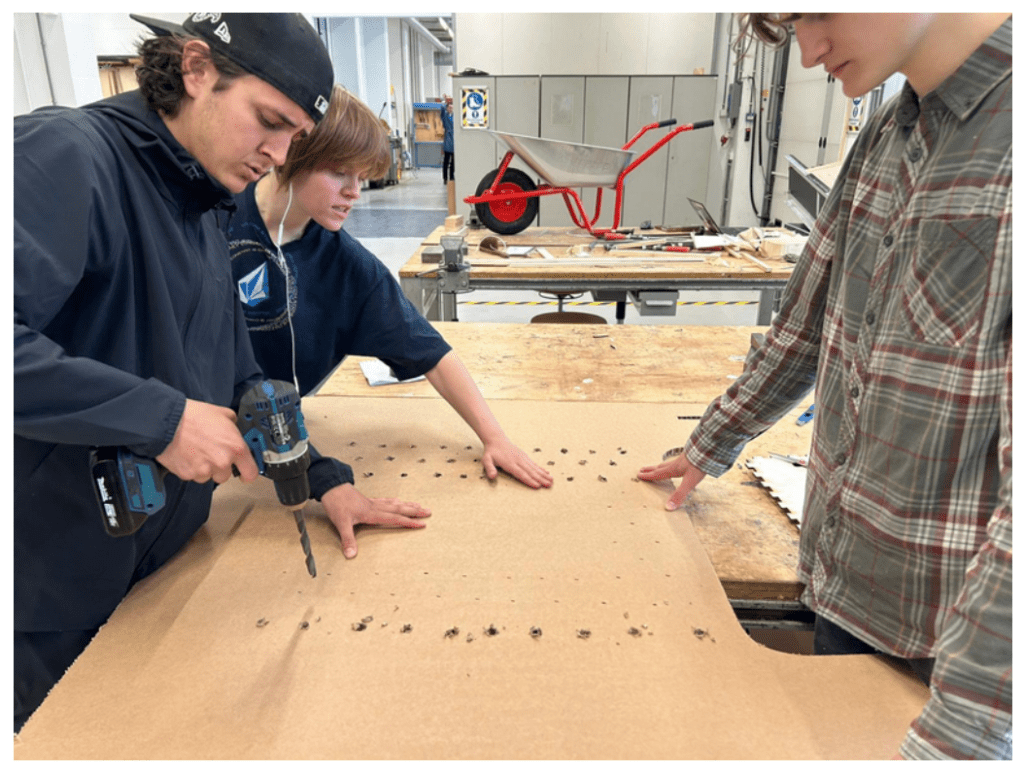
Iterations
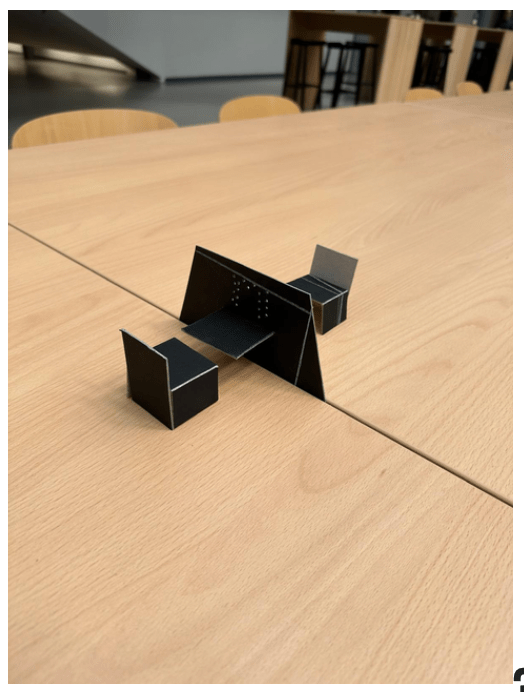
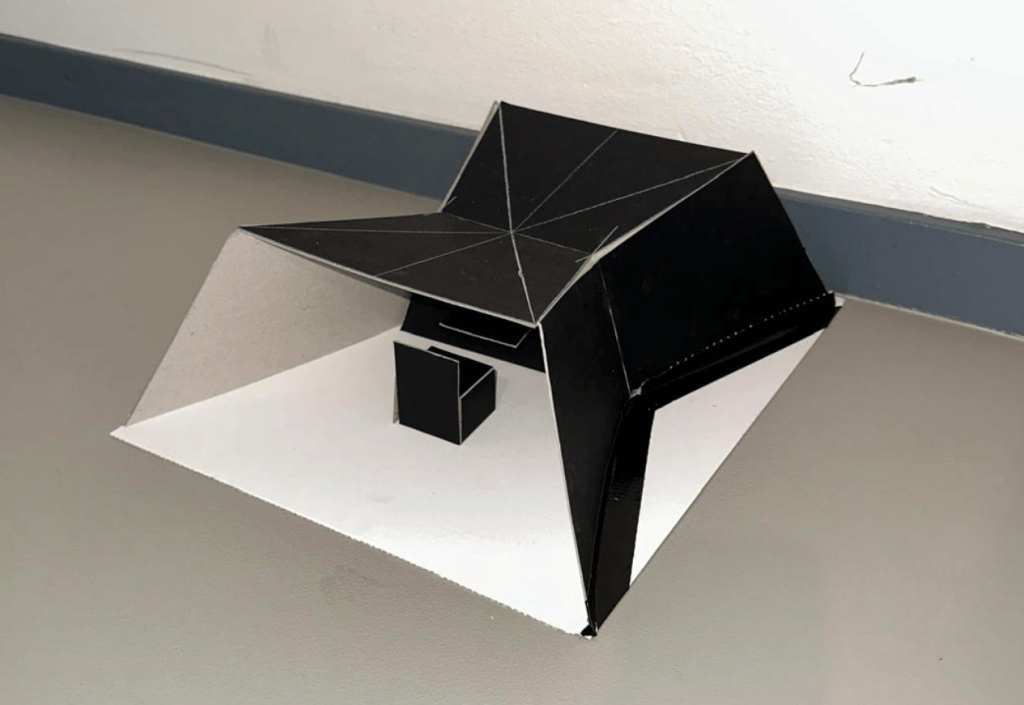
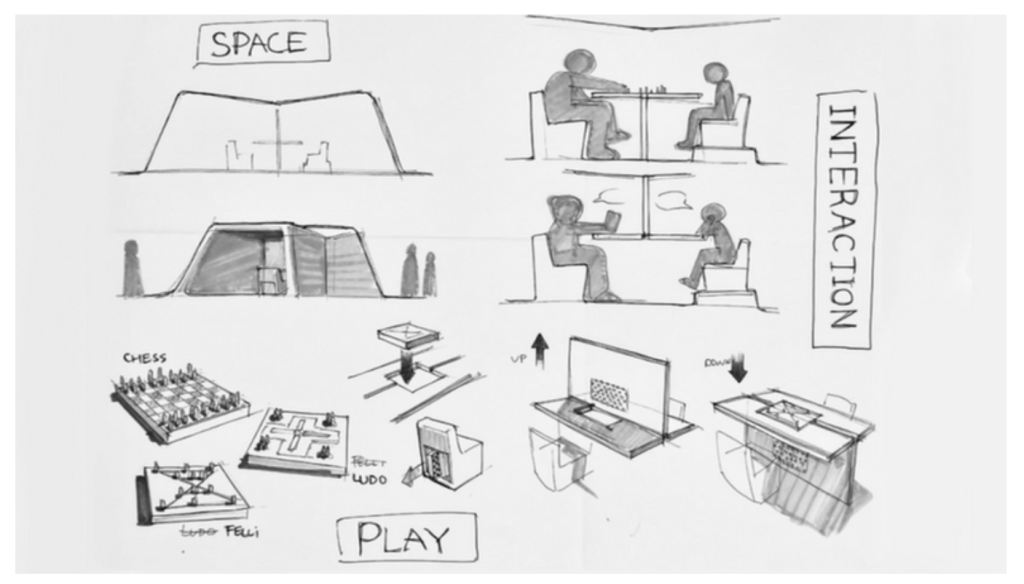
Final Concept
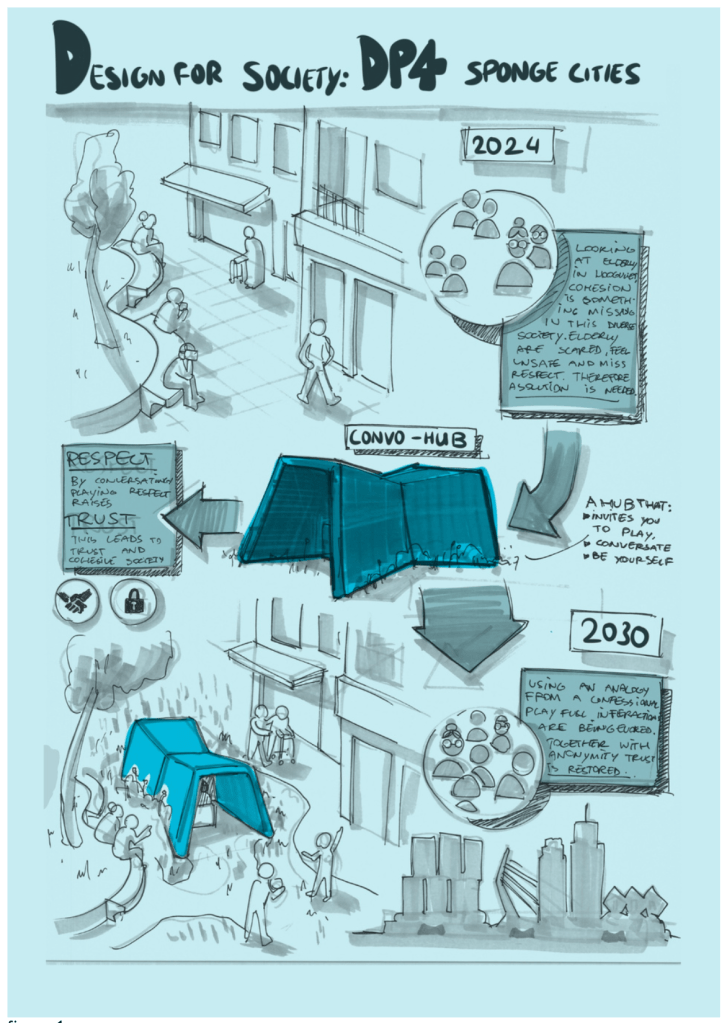
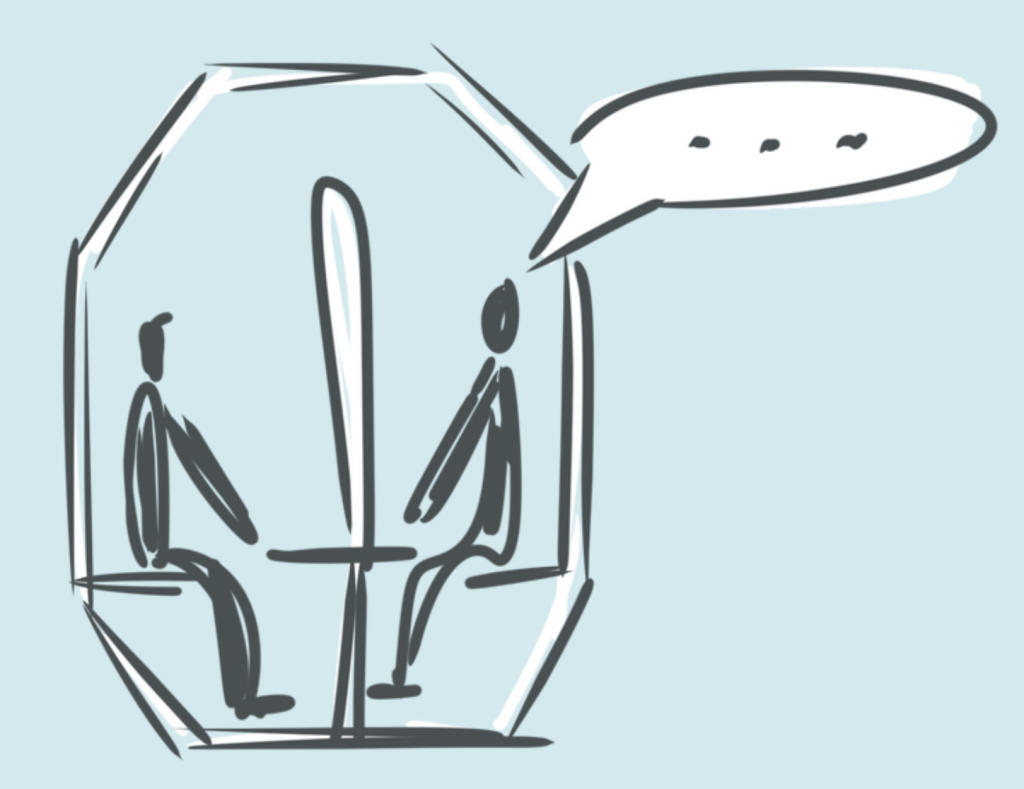
The final concept is a public bench featuring a movable divider that allows users to choose between anonymity and visibility. This design encourages interaction and openness between strangers from different generations.
Reflection:
During this project I learned a lot about doing user research. Because the nature of this experiment involved parts were the participants could be put in a little bit weird/unconventional setting were they where talking with somebody they never even saw or knew. This really shaped an interesting setting, and also came with some protocol design challenges of leading the experiment. I do think that if we would have had more time for this project it would’ve been very useful to test this concept in the real setting of a public space and end users to see the behavioral response. If the product would be used in the way we intended.
 Portfolio by Thijmen Gast